
Network Design
Network design refers to the process of planning, designing, and implementing a computer network infrastructure to meet an organization's or individual's needs. With many years of experience in network design and implementation, we provide comprehensive solutions.
Local Area Network (LAN)
Designing networks for small geographic areas such as homes, office buildings, or campuses.
Wide Area Network (WAN)
Designing networks that cover larger geographic areas, such as cities, states, or countries.
Wireless Network
Designing networks using wireless technologies such as Wi-Fi or cellular networks.
Structured Cabling
Structured cabling refers to the design and installation of a standardized cabling system that supports the transmission of data, voice, and video signals within a building or campus.

1. Cables
Twisted-pair, coaxial, or fiber optic cables that transmit data, voice, and video signals.
3. Patch Panels/Distribution Frames
Panels that organize and manage cables, making it easier to add, move, or change devices.




IP CCTV
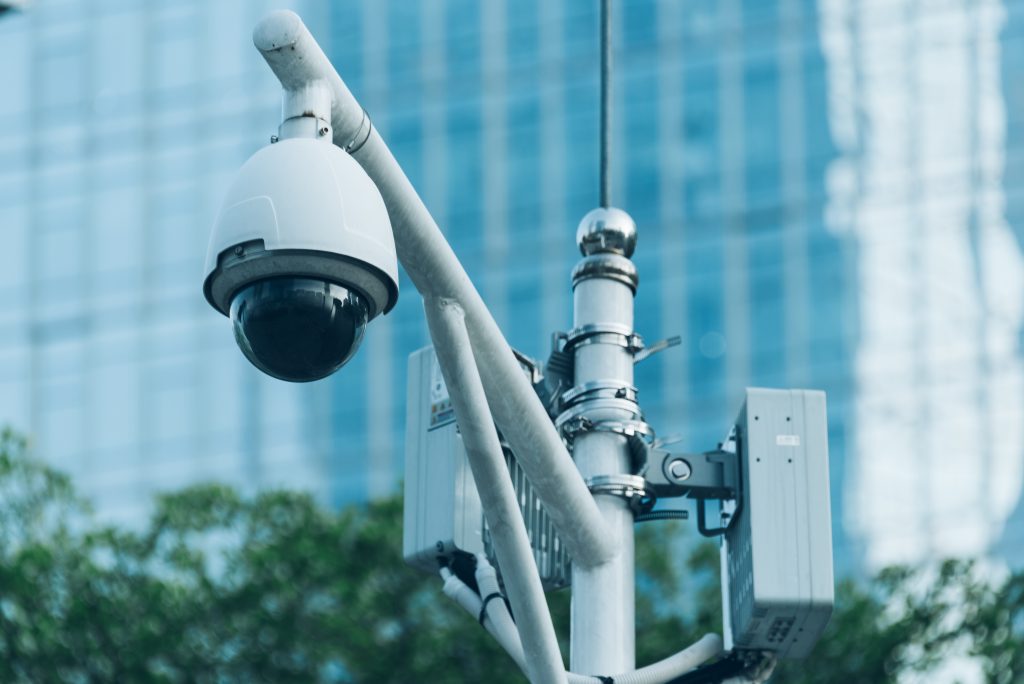
IP CCTV is a surveillance system that uses Internet Protocol (IP) cameras to transmit video signals over a network. This allows for remote monitoring, recording, and management of the CCTV system.
Due to the many benefits of IP CCTV, TechGig has made its focus on it, as traditional CCTV lacks new technology. Our IP CCTV solutions provide superior image quality, scalability, and advanced features like motion detection and remote access.
Become Our Partner
Join our network of experienced professionals and work on exciting projects
Ready to Start Your Project?
Let's discuss how we can help transform your business with our ICT solutions